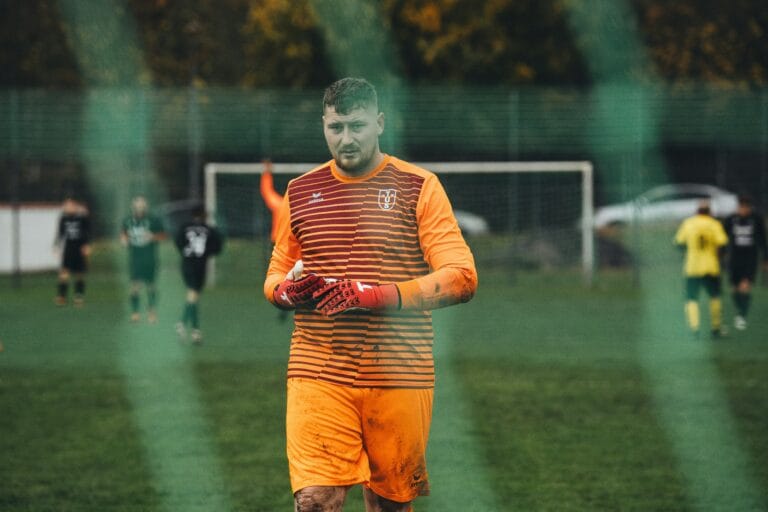

Here at Monash Villarreal FC, we see the beautiful game not just as a sport, but as a robust platform for holistic development. Like our counterparts in Villarreal CF, we believe in nurturing talent from a young age, and we often get asked by enthusiastic parents, “When is the right time for my child to kick off their football journey?” Our answer, based on years of experience, a deep understanding of child development, and the proven methodologies of La Liga’s Villarreal CF, is clear: the earlier, the better, ideally before the age of eight.
Let’s dive into why introducing your child to football during these formative years can set them up for success, not just on the pitch, but in life.
The years leading up to age eight are a remarkably fertile period for a child’s development. Their brains are rapidly forming connections, and they’re like sponges, absorbing information and skills at an incredible rate. Football, when introduced in a playful, age-appropriate manner, taps directly into this natural propensity for learning.
Unpacking Early Motor Skill Acquisition
Before age eight, children are fine-tuning their gross motor skills – things like running, jumping, balancing, and kicking. These are the fundamental building blocks of athletic prowess, and football provides a dynamic, engaging environment to hone them. Think about a young child chasing a ball: they’re not just running; they’re learning to change direction quickly, coordinate their limbs, and control their body in space. These aren’t just isolated skills on the training ground; they translate into better overall physical literacy, benefiting them in all aspects of life, not just sport.
The Power of Play-Based Learning
At Monash Villarreal FC, our junior programs for these age groups are heavily focused on play. We understand that rigid drills and complex tactics are inappropriate and ineffective for young children. Instead, we create a fun, stimulating environment where learning happens organically through games and imaginative scenarios. This play-based approach is crucial because it keeps children engaged, fosters a love for the game, and allows them to experiment with movement and decision-making without the pressure of perfection. They’re learning without even realising it, which is the most powerful kind of learning there is.
Social Savvy and Emotional Strength: More Than Just Kicks
Football is inherently a team sport, and this collaborative nature offers unparalleled opportunities for social and emotional development, particularly in these early years.
Building The Foundations of Teamwork and Cooperation
When a child joins a football team, even at a young age, they immediately become part of something bigger than themselves. They learn to share, to take turns, to celebrate successes together, and to support each other through challenges. These aren’t just abstract concepts; they’re lived experiences on the pitch. Think of a simple passing drill: it teaches a child to consider another player, to anticipate their movements, and to work together towards a common goal. These are foundational skills that will serve them well in school, in future careers, and in all their relationships.
Fostering Resilience and Problem-Solving Skills
Football is full of ups and downs. Goals are scored, goals are missed, games are won, and games are lost. These experiences, when guided by supportive coaches, provide invaluable lessons in resilience. Children learn to pick themselves up after a mistake, to persevere when things are tough, and to adapt to unexpected situations. A coach encouraging a child after a missed shot, or explaining how to adjust their position, isn’t just teaching football; they’re instilling vital problem-solving skills and emotional fortitude. These are not trophies to be won, but essential life skills to be cultivated.
Cognitive Edge: Sharpening Young Minds

While we often focus on the physical and social aspects of football, the cognitive benefits for young children are equally profound. The game, even at its simplest level, demands quick thinking and decision-making.
Boosting Decision-Making Under Pressure
Imagine a young player with the ball. They have a split second to decide whether to pass, dribble, or shoot. This isn’t just a physical action; it’s a rapid cognitive process. Before age eight, children are developing their ability to process information and make quick choices. Football provides a dynamic, ever-changing environment that constantly challenges and refines these skills. They’re learning to read the game, anticipate movements, and react appropriately – all while on the move.
Enhancing Spatial Awareness and Pattern Recognition
The football pitch is a dynamic canvas, and young players quickly learn to understand their position in relation to others, to the ball, and to the goals. This constant engagement with spatial relationships develops crucial spatial awareness. Furthermore, as they play more, they start to recognise patterns in the game – where teammates are likely to move, what an opponent might do. This early exposure to pattern recognition is a fundamental cognitive skill that can benefit them in academic subjects like maths and science.
Establishing Healthy Habits and a Love for Movement

In an increasingly screen-dominated world, encouraging children to be physically active from an early age is more critical than ever. Football offers an exciting and engaging avenue for this.
Igniting a Lifelong Passion for Physical Activity
When children discover the joy of movement through a fun, team-based activity like football, they’re more likely to develop a lifelong appreciation for physical activity. It’s not about forced exercise; it’s about play, friendship, and the thrill of the game. At Monash Villarreal FC, we aim to light that spark early, creating positive associations with physical activity that will stay with them long after their junior playing days are over. We’re not just training footballers; we’re cultivating active, healthy individuals.
Understanding the Importance of Discipline and Routine
Even in a play-focused environment, joining a football club introduces children to the concept of routine and gentle discipline. They learn to arrive on time, to listen to their coaches, and to follow instructions. While never rigid for this age group, these early experiences lay the groundwork for understanding the importance of commitment and structure, which are crucial attributes for success in all areas of life.
The Villarreal Philosophy: A Holistic Approach from the Start
| Reasons to Start Football Before Age 8 |
|---|
| 1. Develops physical fitness and coordination |
| 2. Teaches teamwork and cooperation |
| 3. Builds confidence and self-esteem |
| 4. Instills discipline and time management skills |
| 5. Promotes social interaction and communication |
| 6. Encourages a healthy and active lifestyle |
| 7. Provides opportunities for leadership and decision-making |
At Monash Villarreal FC, our programs for young children are meticulously designed, drawing directly from the renowned Villarreal CF youth academy philosophy. This isn’t just about teaching football skills; it’s about developing the whole child.
Age-Appropriate Training and Elite Methodology
We don’t simply scale down adult training methods for young children. Our coaches are specifically trained to work with younger age groups, understanding their unique developmental needs and learning styles. The Villarreal methodology emphasises a phased approach, ensuring that training is always age-appropriate, focusing on fundamental technical skills, decision-making in small-sided games, and above all, fostering a love for the game. We believe in repetition through engaging activities, allowing children to master the ball at their own pace in a fun, non-pressured environment. Our ‘Monash Methodology’ for these age groups involves plenty of ball touches, individual problem-solving, and a focus on creative expression with the ball.
Creating a Supportive and Positive Learning Environment
A crucial element of the Villarreal philosophy, and one we embody at Monash Villarreal FC, is the creation of a supportive and positive learning environment. Young children thrive on encouragement and positive reinforcement. Our coaches are mentors, not drill sergeants. They are there to inspire, to teach, and to build confidence. We celebrate effort, progress, and teamwork as much as we celebrate goals. This nurturing atmosphere is paramount in ensuring children develop a strong sense of self-belief and a genuine passion for the game, without the feeling of undue pressure or competition that can often be detrimental at such a young age. We focus on individual personal bests and the collective joy of playing, rather than a win-at-all-costs mentality that can stifle development.
In conclusion, introducing your child to football before the age of eight offers a wealth of benefits that extend far beyond the white lines of the pitch. It’s an investment in their physical health, cognitive development, social intelligence, emotional resilience, and overall well-being. At Monash Villarreal FC, we are dedicated to providing an environment where these young budding talents can flourish, guided by a world-class philosophy and a passionate community. We invite you to join us and watch your child not just learn to play football, but learn to love it, and in doing so, unlock their full potential.