
What It Takes to Lead a Female Football Program in 2025
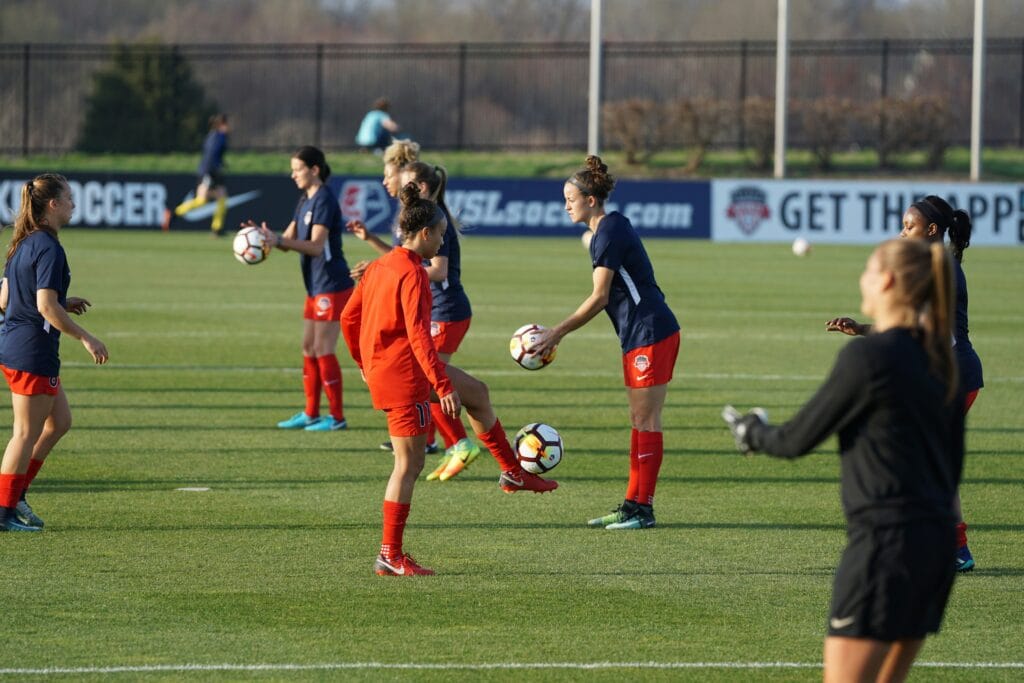
The whistle has blown on another season here at Monash Villarreal FC, and as the dust settles on the pitches and the training cones are packed away, my mind naturally drifts to the future. Specifically, to the exciting and ever-evolving landscape of female football and what it takes to not just manage, but to thrive and truly lead a program for our incredible young women in 2025 and beyond. We’ve seen a seismic shift in women’s football over the past few years. Gone are the days when it was a niche pursuit, whispered about in hushed tones. Today, it’s a roaring spectacle, a source of inspiration, and a powerful force for social change. At Monash Villarreal FC, we’ve always strived to be ahead of the curve, and our commitment to developing our female program is a testament to that. But what exactly does that leadership look like in the coming year? It’s a question I’ve been mulling over, watching our coaches, our players, and our dedicated volunteers at work. It’s about more than just tactical drills and league tables. It’s about fostering an environment where talent blossoms, confidence soars, and a lifelong love for the beautiful game is ignited. Drawing from our Spanish-inspired methodology, we’re constantly refining our approach, and here’s what I believe is crucial for leading a successful female football program in 2025. The Evolving Coach: More Than Just a Tactician The coach of 2025, particularly in the women’s game, needs to be a multi-faceted individual. Gone are the days of the autocratic, solely dominant figure. While tactical nous and strategic acumen remain essential, the modern female football coach must embody a broader skillset, acting as mentor, motivator, and, crucially, a student of the game themselves. A Deep Dive into Coaching Philosophy and Methodology Our alignment with Villarreal CF is central to our success, and that’s because their philosophy is built on a foundation of attractive, attacking football, intelligent player development, and a strong emphasis on technical proficiency. For our female coaches in 2025, it means: Embracing the “Estilo Villarreal” This isn’t about simply copying patterns. It’s about understanding the why behind the Yellow Submarine’s success: possession-based football, intelligent movement off the ball, and a commitment to creating chances through skilled, intricate play. Our coaches need to be adept at translating this philosophy into age-appropriate drills and game scenarios for our young female players. It’s about teaching them to think the game, not just play it. Continuous Learning and Adaptability The game is dynamic. Rule changes, tactical innovations emerge constantly. A leader in 2025 isn’t afraid to admit they don’t have all the answers. Instead, they actively seek out new knowledge. This means attending coaching clinics, studying video analysis, and being open to feedback from players and fellow staff. We encourage our coaches to attend webinars, study international trends, and critically evaluate their own methods. The best coaches are perpetual students. Understanding the Unique Development Journey of Female Athletes This is perhaps the most significant evolution. Sports science is increasingly highlighting the biological and psychological differences in the development of male and female athletes. A 2025 coach needs to be aware of: Menstrual Cycle Impact on Performance and Recovery This is a crucial area. Understanding how hormonal fluctuations can affect energy levels, mood, and physical performance is vital. Coaches need to be able to adapt training loads, nutrition advice, and recovery strategies accordingly. Open communication with players about their cycles, without judgment, is paramount. This isn’t about stigmatizing; it’s about optimizing. Social and Cultural Influences Young female athletes navigate a world that often places different expectations on them. A leading coach in 2025 will be attuned to these pressures and create an environment that empowers them, builds resilience, and challenges any limiting beliefs they might hold. This might involve addressing issues of body image, self-confidence, and the societal narratives around female athleticism. Injury Prevention and Management Tailored to Female Athletes While general injury prevention applies to all, there are specific concerns in female football, such as ACL tear susceptibility. A 2025 coach will be informed about evidence-based protocols for strengthening, conditioning, and biomechanics that specifically address these risks. They’ll work closely with our physios and medical staff to ensure a holistic approach to player welfare. The Power of Connection: Building Rapport and Trust Beyond the technical aspects, the human element is non-negotiable. A leading coach builds relationships, not just teams. Fostering a Positive and Inclusive Environment This is the bedrock of any successful program. In 2025, this means actively creating a space where every player feels valued, respected, and has a voice. It’s about celebrating diversity, promoting fair play in its truest sense, and ensuring that no one feels marginalized or overlooked. Our Monash Villarreal spirit is built on this. Effective Communication Strategies This goes beyond shouting instructions from the sideline. It involves: Active Listening and Empathy Taking the time to understand a player’s concerns, frustrations, or aspirations. Sometimes, a patient ear and a genuine offer of support can be more impactful than any tactical correction. Constructive Feedback Delivery Providing feedback that is specific, actionable, and delivered with encouragement. The goal is improvement, not criticism. This means focusing on behaviours and performance, not personality. Open Dialogue with Players and Parents Transparent communication is key. Keeping parents informed about program goals, player progress, and any challenges fosters trust and allows for a collaborative approach to player development. Player Development: The Villarreal Way, Reimagined for 2025 Our core philosophy, adopted from Villarreal CF, has always been about developing well-rounded footballers. In 2025, this focus on the individual, coupled with an understanding of the modern player, becomes even more critical for our female program. Cultivating Technical Excellence and Tactical Intelligence The technical skills are the building blocks, but it’s the intelligence with which they’re applied that separates good players from great ones. Emphasis on Individual Skill Development This remains a cornerstone. For our female players, this means dedicated work on: Ball Mastery and First Touch The ability to control the
Why We’re Investing in Women’s Football Right Now

At Monash Villarreal FC, we’re not just a football club; we’re a community, a philosophy, and a family. Our commitment extends beyond the white lines of the pitch and into the very fabric of our society. This is why, with immense pride and unwavering conviction, we are making a significant and strategic investment in women’s football right now. This isn’t a fleeting trend or a token gesture; it’s a deep-seated belief in the power of the beautiful game to transform lives, regardless of gender. The landscape of football is evolving, and it’s exhilarating to witness. Women’s football, once a niche, is now a global powerhouse, captivating millions and inspiring a new generation. At Monash Villarreal FC, we’re not just observing this revolution; we’re actively contributing to it, embracing the values of Villarreal CF and adapting them to the unique spirit of Melbourne. The rise of women’s football from grassroots to global stardom is nothing short of remarkable. It’s a testament to the talent, dedication, and passion of countless athletes, coaches, and advocates who have tirelessly championed the game. We’re living in an era where women’s football isn’t just about participation; it’s about elite performance, captivating narratives, and a growing fanbase that mirrors, and in some areas, even surpasses, its male counterpart. FIFA Women’s World Cup: A Game Changer The recent FIFA Women’s World Cup, particularly the co-hosted edition here in Australia and New Zealand, wasn’t just a tournament; it was a cultural phenomenon. Stadiums were packed, viewing figures shattered records, and the Matildas, our very own national heroes, captured the hearts of a nation. This event undeniably propelled women’s football into the mainstream consciousness, demonstrating its commercial viability, entertainment value, and immense potential for growth. At Monash Villarreal FC, we saw firsthand the inspiration it ignited in young girls across Melbourne. Professional Leagues Taking Flight Beyond international tournaments, professional women’s leagues worldwide are flourishing. From the NWSL in the United States to the Women’s Super League in England and now the A-League Women right here in Australia, these leagues are providing professional pathways, improved conditions, and higher visibility for female athletes. This sustained growth at the elite level creates a clear aspirational path for our young female players, showing them that a career in football is not just a dream, but an achievable reality. The professionalisation of the game offers tangible opportunities, and we are committed to being a part of that journey for our aspiring talents. Cultivating Talent: Our ‘Cantera’ for All At the heart of Monash Villarreal FC lies the spirit of ‘Cantera’ – a Spanish term that encapsulates the philosophy of nurturing talent from within. For Villarreal CF, this means developing players from a young age within their academy system. For us, it means creating an environment where every young player, regardless of gender, has the opportunity to develop their full potential, both on and off the pitch. Our investment in women’s football is a direct extension of this core philosophy. Building a Robust Girls’ Academy Program Our ambition is to build one of the most comprehensive and effective girls’ academy programs in Melbourne. This isn’t just about having girls’ teams; it’s about providing the same level of coaching expertise, structured development pathways, and access to resources that historically have been more readily available to boys’ programs. We are investing in specialist coaching staff who understand the nuances of coaching female athletes, focusing on technical proficiency, tactical understanding, and crucially, an environment that fosters confidence and resilience. Bespoke Development Pathways Just as we meticulously plan the development journey for our male players, we are now dedicating significant resources to crafting bespoke development pathways for our female athletes. This includes age-appropriate training methodologies, competitive opportunities that challenge and excite, and a clear progression through various age groups. Our goal is to ensure that every girl entering our program can see a clear path, from our junior development teams right through to potential senior women’s football and beyond. This means collaboration with local clubs, identification programs, and strong links to higher levels of competition. Mentorship and Role Models Beyond the technical and tactical aspects, we understand the critical role of mentorship. We are actively cultivating an environment where experienced female coaches and players can serve as inspiring role models for our younger generation. Seeing successful women in coaching and playing positions can be incredibly empowering, demonstrating what is possible and breaking down traditional barriers. These role models are vital in building self-belief and fostering a strong sense of community within our girls’ program. Beyond the Pitch: Empowering Young Women While football is undeniably at the core of what we do, our investment in women’s football extends far beyond the technical skills learned on the pitch. We believe that participation in organised sport, particularly football, plays a crucial role in developing well-rounded individuals and empowering young women in myriad ways. Developing Leadership and Teamwork Football is a masterclass in teamwork. It teaches invaluable lessons in communication, collaboration, and collective responsibility. For young women, these are vital skills that translate directly into success in all aspects of life – academic, professional, and personal. Our emphasis on a positive team environment, mutual respect, and shared goals empowers girls to take on leadership roles, support their teammates, and understand the power of working together towards a common objective. These experiences build strong character and prepare them for future challenges. Fostering Confidence and Resilience Sport, by its very nature, involves successes and setbacks. Learning to navigate wins with humility and losses with resilience is a cornerstone of our coaching philosophy. For young women, participating in competitive sport provides a safe space to test their limits, overcome challenges, and build self-belief. The confidence gained from mastering a new skill, contributing to a team victory, or bouncing back from a tough game is immeasurable. This resilience is a life skill that will serve them long after they hang up their boots. Promoting Health and Well-being In an increasingly sedentary world, the importance of physical activity
From Afghanistan to Melbourne: A Story of Football and Belonging

From the dusty, war-torn streets of Kabul to the vibrant green pitches of Melbourne, the journey of Monash Villarreal FC’s newest and most inspiring talent, Hamidullah, is a testament to the universal power of football. His story is one of resilience, hope, and the incredible unifying force of the beautiful game, and it’s a story I’m proud to share as we continue to build our community here at Monash Villarreal FC. Hamidullah’s early life in Afghanistan was a world away from the structured training sessions and supportive environment he now enjoys. His youth wasn’t marked by competitive youth leagues or dedicated coaches, but by the ever-present shadow of conflict. The Unwavering Spirit of Play Despite the immense challenges, Hamidullah found solace and joy in football. “We would play with anything we could find,” he recalls, a faint smile gracing his lips as he speaks about makeshift balls crafted from rags and tape, and goals drawn with chalk on crumbling walls. This wasn’t about professional aspirations; it was about the sheer, unadulterated pleasure of the game. It was an escape, a brief reprieve from the harsh realities of daily life, and a vital outlet for the boundless energy of youth. These improvised games, played amidst the chaos, honed skills that would later surprise and impress seasoned coaches. The ability to control a wildly bouncing, unpredictable ‘ball’ on uneven surfaces, to anticipate movements in an unorganised free-for-all – these were formative experiences that built a foundation of agility, quick thinking, and adaptability. Football as a Language Beyond Words In communities grappling with conflict and displacement, football often transcends its role as a sport. For Hamidullah and his friends, it became a universal language, a means of connection and communication that bypassed the barriers of ethnicity or tribe. On the dusty pitches, rules were implicit, respect earned through skill and effort, and camaraderie forged in shared passion. This informal, organic development fostered a deep understanding of team dynamics and the unspoken signals between players, skills that are highly valued in the Spanish methodology we embrace at Monash Villarreal FC. It taught him the importance of collective effort, of understanding your teammates without needing explicit instructions – a key tenet of possession-based football. The Long Road to Refuge: Hamidullah’s Journey to Melbourne The decision to leave Afghanistan was not taken lightly, but driven by an undeniable need for safety and a hope for a brighter future. Hamidullah’s journey to Melbourne was long, arduous, and fraught with peril, a testament to his extraordinary courage and determination. The Perilous Journey and Lingering Scars The details of Hamidullah’s escape are not for public consumption, a private trauma he carries with dignity. What is important to understand is the immense emotional and physical toll such a journey exacts. Many of our players, both direct migrants and those from migrant families, understand the weight of displacement, even if their stories differ. Hamidullah’s experience is a stark reminder of the resilience of the human spirit in the face of unimaginable adversity. This journey, however, also inadvertently strengthened his mental fortitude, his ability to persevere through discomfort and challenge, and to maintain focus even when distractions are overwhelming – qualities that directly translate onto the football pitch. Finding Sanctuary and New Beginnings Arriving in Melbourne presented a new set of challenges, but also a wealth of opportunities. The initial period was one of adjustment, of navigating a new culture, a new language, and a new way of life. Yet, amidst the unfamiliarity, there was a quiet determination to rebuild, to find a place of belonging. This is where community organisations and support networks stepped in, providing the vital lifelines that help shape new lives. The process of assimilation is not linear, and for many asylum seekers and refugees, finding a sense of community is paramount. Discovering Monash Villarreal FC: A New Chapter on the Pitch It was through these community connections that Hamidullah first heard about Monash Villarreal FC. The club’s Spanish-inspired philosophy, with its emphasis on technical skill, tactical understanding, and community integration, immediately resonated. The First Training Session: A Glimpse of Raw Talent When Hamidullah first stepped onto our training pitch, it was clear he possessed an innate talent. His touch on the ball was surprisingly refined, his spatial awareness exceptional, and his ability to read the game instinctual. What truly stood out, however, was his commitment and hunger to learn. He absorbed every instruction, every drill, with an intensity that spoke volumes. Head Coach Mateo Rodriguez, a firm believer in nurturing raw talent, quickly recognised Hamidullah’s potential. “You could see he had played a lot of football, but in a very different context,” Mateo noted. “His street football background gave him an incredible ability to improvise, to solve problems on the fly. Our job is to now channel that raw talent into our structured methodology.” Embracing the Spanish Methodology: From Instinct to System Integrating Hamidullah into our Spanish methodology has been a fascinating process. His instinctive, free-flowing style is now being refined within the framework of possession-based football, tactical awareness, and disciplined positioning. He’s learning the nuances of pressing, the importance of quick transitions, and the strategic movement off the ball – all hallmarks of Villarreal CF. While initially challenging to adapt from a largely unstructured playing environment, Hamidullah’s eagerness to learn has made him a quick study. He asks insightful questions, actively seeks feedback, and consistently puts in extra effort to master new concepts. This dedication is a testament to his character and his ambition. The coaching staff have been particularly impressed with his ability to translate theoretical concepts into practical application on the field, which is often a significant hurdle for many young players. More Than Just a Player: Hamidullah’s Impact on the Club Hamidullah’s presence at Monash Villarreal FC extends far beyond his contributions on the pitch. He has quickly become an integral part of our community, a source of inspiration, and a living example of the club’s core values. A Beacon of Resilience
Building Confidence Through Football: Our Women’s Program Story

The roar of the crowd, the thud of the boot on the ball, the camaraderie of a team – these are the hallmarks of football. But for the women of Monash Villarreal FC, the beautiful game offers something even more profound: a crucible where confidence is forged, resilience is tested, and dreams take flight. As a sports journalist embedded with this vibrant community, I’ve had the privilege of witnessing firsthand the transformative power of our women’s program, a program not just about winning on the pitch, but about winning in life. More Than Just a Game: The Villarreal Philosophy in Action At Monash Villarreal FC, we pride ourselves on more than just developing skilled players. Our Spanish-inspired methodology, directly aligned with La Liga giants Villarreal CF, extends beyond technical drills and tactical formations. It’s about cultivating well-rounded individuals, instilling values, and fostering an environment where every participant feels empowered. This ethos is particularly vital within our women’s program, where the game becomes a powerful vehicle for personal growth and empowerment. A Holistic Approach to Player Development From the moment a young woman steps onto our pitch, she’s not just an athlete; she’s an individual with potential. Our coaches, many of whom have experienced the Villarreal system firsthand, understand that true development encompasses more than just mastering a step-over or perfecting a pass. It’s about building character, fostering leadership, and instilling a belief in one’s own abilities. This holistic approach is a cornerstone of everything we do. Beyond the Training Field: Life Lessons from La Liga The principles taught at Villarreal CF – teamwork, perseverance, respect, and strategic thinking – are woven into the fabric of our women’s program. These aren’t abstract concepts discussed in a classroom; they are lived experiences on the training field and demonstrated during match play. When a player learns to communicate effectively with her teammates under pressure, or to pick herself up after a missed shot, she’s not just becoming a better footballer; she’s acquiring invaluable life skills that will serve her far beyond the touchline. Breaking Barriers and Building Belief: Empowering Our Female Athletes For too long, women’s football has been battling outdated perceptions and systemic barriers. But at Monash Villarreal FC, we are not just breaking down these barriers; we are dismantling them entirely, one powerful kick at a time. Our women’s program is a testament to the incredible talent, passion, and dedication of female athletes, and we are committed to providing them with the platform they deserve. Challenging Stereotypes Through Sport Every time our women’s team takes to the field, they are challenging preconceived notions about strength, skill, and athleticism. Their commitment to training, their fierce competitive spirit, and their unwavering teamwork serve as a powerful statement to anyone who ever doubted the prowess of female footballers. We believe in showcasing their abilities and celebrating their achievements, inspiring a new generation of girls to embrace the beautiful game. Creating a Supportive and Inclusive Environment One of the most heartwarming aspects of our women’s program is the incredible sense of community our players build amongst themselves. It’s a supportive, inclusive environment where players feel comfortable expressing themselves, making mistakes, and celebrating successes together. This safe space is crucial for fostering confidence, allowing players to push their boundaries without fear of judgment. The friendships forged on our pitches often extend far beyond the final whistle, creating a network of support that lasts a lifetime. From Shy Beginners to Confident Leaders: Individual Journeys The beauty of sport lies in its ability to transform individuals, and nowhere is this more evident than within our women’s program. I’ve seen countless examples of players who started cautiously, perhaps even a little apprehensive, blossom into confident, articulate, and inspiring leaders, both on and off the field. The Power of Small Victories Confidence isn’t built overnight. It’s a gradual process, fueled by small victories and consistent encouragement. For a new player, simply completing a challenging drill or making a successful pass can be a massive boost. Our coaches understand this intimately, celebrating every milestone, no matter how small, and using these moments to reinforce a player’s growing belief in her own capabilities. Overcoming Challenges and Developing Resilience Of course, football isn’t always smooth sailing. There are tough losses, challenging training sessions, and moments of frustration. But it’s precisely in these moments that true character is forged. Our female athletes learn to confront adversity head-on, to analyze their performance, and to bounce back stronger. This resilience, honed on the football pitch, is an invaluable life skill that empowers them to navigate any challenge they face. I’ve seen players overcome injuries, tactical setbacks, and personal doubts, emerging from each experience with a newfound strength and self-assurance. The Coaching Advantage: Mentorship, Guidance, and Growth Our coaches are the heart and soul of our women’s program. They are not just instructors; they are mentors, confidantes, and unwavering champions for our players. Their dedication to the Villarreal philosophy and their genuine passion for developing female athletes create an unparalleled learning environment. Experienced Mentors with a Passion for Development Our coaching staff brings a wealth of experience, not only from within the Villarreal system but also from various levels of Australian football. They understand the nuances of coaching female athletes, recognizing the unique challenges and opportunities that arise. Their ability to connect with players on a personal level, to understand their individual needs and aspirations, is what truly sets our program apart. They don’t just teach the game; they inspire a love for it. Tailored Training for Maximum Impact While the foundational principles of the Villarreal methodology remain consistent, our coaches deftly adapt training sessions to cater to the specific needs and developmental stages of our female players. This bespoke approach ensures that every player is challenged appropriately, allowing them to progress at their own pace and build skills confidently. From technical drills focusing on ball mastery to tactical sessions emphasizing intelligent play, every aspect of our training is designed to maximize impact and foster growth.
Why Female Football in Melbourne Is Having Its Moment

It’s no secret that football, or soccer as some still call it, has a growing presence in Australia. But if you’ve been watching the pitches around Melbourne lately, you’ll have noticed a particularly exciting trend: female football isn’t just growing, it’s absolutely exploding. Here at Monash Villarreal FC, we’re not just witnessing this surge, we’re actively contributing to it, and it’s a phenomenon worth celebrating and unpacking. You can’t talk about the current landscape of female football in Australia without talking about the Matildas. Their incredible performance at the 2023 World Cup on home soil wasn’t just a sporting event; it was a cultural moment that transcended traditional sports fandom. The World Cup Effect: Inspiring a Generation The captivating runs, the heroic saves, the electrifying atmosphere – the Matildas showed the nation, and indeed the world, what female athletes are capable of. For countless young girls and women across Melbourne, watching Mary Fowler’s poise, Sam Kerr’s power, and Mackenzie Arnold’s unwavering resolve wasn’t just entertainment; it was a profound source of inspiration. We saw an immediate surge in inquiries for our girls’ programs at Monash Villarreal FC post-World Cup, a clear indicator of the ripple effect. Parents who might have previously steered their daughters towards other sports were suddenly asking about boots and shin pads. Visible Role Models: More Than Just Athletes Beyond their on-field prowess, the Matildas embody resilience, teamwork, and an authentic passion for the game. They represent diverse backgrounds and experiences, making them incredibly relatable role models. For a young player at our club, seeing these women on the biggest stage offers a tangible dream. “I want to be like Sam Kerr,” is a common refrain now, whereas just a few years ago, female footballing idols were far less prominent in the mainstream consciousness. This heightened visibility is crucial, shifting perceptions and showcasing football as a legitimate and thrilling pathway for girls. A Cultural Shift: Beyond the Sidelines The current moment in female football isn’t solely about elite performance; it’s also about a significant cultural shift in how we view and support women in sport. Melbourne, with its vibrant and progressive sporting scene, is at the forefront of this change. Breaking Down Barriers: Challenging Old Perceptions For too long, football was often perceived as a ‘boys’ sport.’ While this was never truly accurate, the prevailing narrative did impact participation and funding. However, we’re seeing an unwavering commitment from governing bodies, clubs like ours, and the broader community to dismantle these outdated stereotypes. Girls are no longer seen as just ‘filling in’ or playing a ‘modified’ version of the game; they are legitimate footballers, honing their skills with the same dedication and passion as their male counterparts. This shift in perception is perhaps the most powerful catalyst for growth. Community Embrace: From Grassroots to Grandstands The support for female football in Melbourne extends far beyond the professional arena. Local clubs, schools, and community groups are actively promoting girls’ and women’s leagues. At Monash Villarreal FC, we pride ourselves on creating an inclusive and welcoming environment where every girl feels empowered to play. We’re seeing more parents, both mothers and fathers, enthusiastically supporting their daughters from the sidelines. This collective community embrace is vital, creating a positive feedback loop that encourages more girls to get involved and stay in the game. It’s about creating a culture where female football is not just tolerated, but celebrated. Investment and Infrastructure: Paving the Way for Progress For any sporting boom to be sustainable, it requires solid foundations in terms of investment and infrastructure. Melbourne is making significant strides in these areas, directly benefiting female footballers. Dedicated Programs: Tailored for Female Development At Monash Villarreal FC, our Spanish-inspired methodology, aligned with Villarreal CF, isn’t just for everyone; it’s adapted and implemented to suit the specific needs and developmental stages of female players. We understand that girls often respond to different coaching cues, thrive in particular social environments, and progress at their own pace. Our dedicated girls’ programs focus not just on technical skills – the passing, dribbling, and shooting – but also on tactical understanding, teamwork, and building confidence, all within an encouraging and supportive framework. This tailored approach is crucial for long-term engagement and enjoyment. Improved Facilities: More Pitches, Better Resources While there’s always more to be done, there’s a noticeable trend towards improving facilities that cater to female athletes. Councils and sporting bodies are recognising the growing demand and investing in better changing rooms, dedicated pitches, and accessible amenities. For female participation to truly flourish, having safe, clean, and appropriate facilities is paramount. No longer an afterthought, these considerations are now often at the forefront when planning new sporting developments, ensuring that girls have the same quality of resources as boys. Coach Development: Expertise for Female Athletes Another critical area of investment is in coach development specifically for female football. It’s not enough to just put any coach in charge; it requires coaches who understand the nuances of coaching girls and women, who can foster a positive team environment, and who are passionate about developing female talent. We actively promote and support our coaches in gaining qualifications and specialised training in female player development, ensuring that our girls receive the highest standard of guidance and mentorship. This commitment to expert coaching is a cornerstone of our success. Monash Villarreal FC: Nurturing the Future Stars Here at Monash Villarreal FC, we’re incredibly proud to be part of this exciting chapter for female football in Melbourne. Our commitment to the Spanish methodology of Villarreal CF provides a unique and effective framework for developing our female players, from our youngest aspirants to our more seasoned youth teams. The Villarreal Way: A Holistic Approach for Girls Our coaching philosophy focuses on small-sided games, technical mastery, tactical intelligence, and most importantly, instilling a love for the beautiful game. For our female players, this means: Ball Mastery from a Young Age: Emphasis on individual technique, allowing girls to feel comfortable and confident on the ball, which
The Questions Every Football Parent Should Be Asking Their Club

Here at Monash Villarreal FC, we’re more than just a football club; we’re a community dedicated to developing young talent, fostering a love for the beautiful game, and building character both on and off the pitch. As a club deeply aligned with the philosophy of Villarreal CF, we believe in a holistic approach to player development. This isn’t just about training drills and match results; it’s about creating an environment where young players can thrive, learn, and grow. But as a parent, navigating the youth football landscape can be a minefield. With so many clubs, programs, and promises out there, how do you choose the right environment for your child? How do you ensure they’re getting the best possible experience, not just in terms of technical development, but also in terms of their overall well-being and enjoyment? That’s why I wanted to share some insights from our perspective. As a seasoned observer embedded within the Monash Villarreal FC family, I’ve seen firsthand the countless hours, dedication, and passion that go into nurturing young footballers. And from that vantage point, I’ve identified key areas that every football parent should be scrutinising when evaluating a club. Don’t be afraid to ask tough questions. After all, you’re entrusting your child’s development, enjoyment, and often, a significant financial investment, to these organisations. Beyond the Scoreboard: Understanding the Club’s True Vision It’s easy to get caught up in who’s winning the most matches or which team is in the top division. While performance is a factor, it shouldn’t be the sole driver of your decision. A truly great club, like Monash Villarreal FC, focuses on a much broader vision for player development. What is the club’s overarching philosophy for player development? This is crucial. Does the club have a clear, articulated philosophy, or is it just a collection of teams playing games? At Monash Villarreal FC, our philosophy is deeply rooted in the Villarreal CF methodology. This means a strong emphasis on possession-based football, technical excellence, tactical understanding, and intelligent decision-making. We believe in developing well-rounded players who can excel in various situations, not just those who can kick the ball hard. Ask about the specific principles and values that guide their coaching. Do they prioritise winning at all costs, or is development, enjoyment, and respect for the game equally important? How does the club define success for its young players? Is success solely measured by wins and losses? Or does it encompass individual player growth, skill acquisition, character development, and a lifelong love for the game? At Monash Villarreal FC, while we certainly want to be competitive, our primary measure of success is seeing our players mature into confident, skilled, and passionate individuals. We celebrate technical milestones, improved tactical understanding, and evidence of sportsmanship just as much, if not more, than a victory. What are the long-term goals for players within the club? Is there a clear pathway for progression? Does the club actively support players who show exceptional talent, offering opportunities for higher-level training or exposure? And equally important, how does the club support players who may not be destined for professional football but still want to enjoy the game? Our goal at Monash Villarreal FC is to provide a structured pathway, from our grassroots programs right through to elite development, while also ensuring that every child finds a fulfilling and engaging football experience, regardless of their aspirations. Coaching Quality: The Heartbeat of Player Development The coach is arguably the most influential figure in a young footballer’s journey. Their expertise, demeanor, and ability to inspire can make or break a child’s experience. Don’t be shy about digging deep into the coaching credentials and approach. What are the qualifications and experience of the coaching staff? Don’t settle for “played a bit of football in their youth.” Look for coaches with proper certifications (such as FFA/AFC licenses for Australia), and experience in youth development. At Monash Villarreal FC, our coaches undergo continuous professional development, aligning with the stringent standards set by Villarreal CF. This ensures they’re not just experts in football, but also in child psychology and age-appropriate coaching methodologies. Ask about their ongoing training and how the club supports their development. What is the coach-to-player ratio at training sessions? A low ratio allows for more individualised attention and feedback, which is critical for skill development. If a coach is managing thirty kids solo, it’s highly unlikely they’re providing the tailored guidance each child needs. We strive for optimal ratios at Monash Villarreal FC to ensure every player receives meaningful interaction and instruction. How does the club assess and develop its coaches? Do coaches receive regular feedback and support? Are there opportunities for them to learn from more experienced mentors? A club that invests in its coaches is a club that invests in its players. We understand that a great football program starts with great coaches, and we are committed to their continuous improvement. What is the coach’s approach to player feedback and communication? Does the coach provide constructive feedback, both positive and areas for improvement? Do they openly communicate with players and parents about development, progress, and concerns? A good coach fosters an environment of open dialogue and ensures players understand “why” they are doing certain drills or playing in a specific way. Training and Playing Environment: Where the Magic Happens The environment in which your child trains and plays is paramount. It should be safe, stimulating, and conducive to learning and joy. What does a typical training session look like? Are sessions structured, engaging, and age-appropriate? Do they focus on technical skills, tactical understanding, physical conditioning, and decision-making? Or are they just a chaotic free-for-all? At Monash Villarreal FC, our training sessions are meticulously planned, following the Villarreal CF curriculum, designed to progressively build skills and game intelligence. We integrate fun and games, but always with a clear learning objective. How does the club manage player playing time? Does every player get a fair opportunity to play in matches, regardless of their
What Happens in Your Child’s First Session at Monash Villarreal

Stepping onto the hallowed turf at Monash Villarreal FC for the very first time is an occasion brimming with a unique blend of excitement and a touch of the unknown for any young footballer and their families. You’ve heard the buzz, you’ve seen the yellow shirts, and you know this isn’t just any football club. It’s a place where the magic of La Liga’s renowned methodology meets the heart of the Melbourne community. So, what precisely unfolds during those crucial first few hours? What can you expect, and how do we ensure your child feels welcomed, challenged, and inspired from minute one? As your dedicated on-the-ground correspondent, I’m here to pull back the curtain and give you an insider’s glimpse into the Monash Villarreal FC experience. From the moment you arrive at our training facility, the Monash Villarreal FC approach is evident. It’s not just about kicking a ball; it’s about fostering a sense of belonging. Our coaching staff, seasoned professionals who embody the club’s philosophy, are strategically positioned to greet every new face. They’re not just there to sign forms; they’re there to make your child feel like they’ve already joined the family. A Warm Reception from the Coaching Team Our coaches are the ambassadors of the Monash Villarreal spirit. They’re trained to be approachable, enthusiastic, and keenly observant. They’ll be the first to offer a friendly smile, a quick introduction, and perhaps even a personalised welcome. This initial interaction is vital. It’s about breaking down any nerves and building an immediate connection. You’ll notice they’re not just looking at the child; they’re looking for the child, ready to engage them. Meeting Their New Football ‘Family’ Before the training even truly begins, there’s an opportunity for your child to meet their peers. This might be through a light-hearted icebreaker activity, a quick team huddle, or simply by being introduced to a few of the other players. We understand that making new friends can be as important as mastering new skills, and our environment is designed to facilitate these connections organically. The All-Important Gear Check (and Beyond!) While not technically part of the footballing action, the initial administrative and logistical aspects are handled with care. Our staff will ensure you have all the necessary information regarding training times, communication channels, and any essential gear. This smooth administrative process allows the focus to remain squarely on the football and the player’s experience. The Philosophy in Action: Beyond the Drills The Monash Villarreal FC methodology, deeply rooted in the esteemed Villarreal CF of Spain, is what sets us apart. It’s a holistic approach that prioritises player development over immediate results, focusing on intelligent play, technical proficiency, and a deep understanding of the game. Your child’s first session is a fantastic introduction to this potent blend. Understanding the ‘Small-Sided Game’ Philosophy You’ll quickly notice a strong emphasis on small-sided games, even during introductory sessions. Our coaches believe that playing in smaller groups, with fewer players, allows for more touches of the ball, greater decision-making opportunities, and a more intense learning environment. This mirrors the principles seen in elite Spanish academies, where young players are encouraged to learn by doing, experimenting, and problem-solving in game-like scenarios. Why Small-Sided Games Work Wonders The benefits of this approach are manifold. It accelerates technical development as players are constantly involved. It enhances tactical awareness as they must constantly adapt to changing situations. Crucially, it fosters a love for the game by making every moment engaging and relevant. No standing in lines waiting for a turn here; it’s about continuous action and learning. The Ball is Your Friend: Technical Foundation First The initial drills will likely revolve around the fundamentals, but with a Monash Villarreal twist. Expect exercises designed to build a strong relationship with the ball. This includes dribbling with purpose, precise passing, controlled receiving, and shielding the ball effectively. The emphasis is on quality of touch and understanding how the ball moves and responds. Ball Mastery Drills: Building Confidence with Every Touch Our coaches utilize a variety of drills specifically designed to enhance individual ball control. These aren’t just mindless repetitions; they are carefully crafted to build confidence, improve coordination, and instill a sense of comfort and security with the ball at their feet. The aim is to make interacting with the ball feel natural and intuitive. Decision-Making Under Pressure: The Villarreal Way Beyond pure technique, a cornerstone of our methodology is developing a player’s footballing intelligence. Even in the first session, you’ll see subtle elements introduced that encourage quick thinking and problem-solving. This might be through the types of questions coaches ask, the constraints placed on certain drills, or the way small-sided games are structured. It’s about teaching players to think when and how to play, not just following instructions robotically. Encouraging Adaptability and Creativity We want our players to be adaptable and creative. This means encouraging them to explore different options, to try new things, and to learn from their mistakes. The first session is about creating a safe space for this exploration, where experimentation is welcomed and seen as a crucial part of the learning process. The Coaching Style: Nurturing Talent, Inspiring Passion The role of the coach at Monash Villarreal FC extends far beyond simply directing drills. Our coaches are mentors, educators, and inspirers, embodying the supportive yet challenging environment that drives player growth. Their approach in the first session is designed to set the tone for a positive and impactful journey. Positive Reinforcement and Constructive Feedback You’ll observe a strong emphasis on positive reinforcement. Our coaches are quick to praise effort, good decisions, and successful execution. Equally important is their ability to deliver constructive feedback in a way that is encouraging and actionable. The goal is to build confidence while simultaneously guiding improvement. The Art of Effective Communication The coaches at Monash Villarreal are masters of communication. They use clear, concise language, tailored to the age group. They are adept at explaining complex concepts in simple terms, ensuring that every
Why Your Child Should Start Football Before Age 8

Here at Monash Villarreal FC, we see the beautiful game not just as a sport, but as a robust platform for holistic development. Like our counterparts in Villarreal CF, we believe in nurturing talent from a young age, and we often get asked by enthusiastic parents, “When is the right time for my child to kick off their football journey?” Our answer, based on years of experience, a deep understanding of child development, and the proven methodologies of La Liga’s Villarreal CF, is clear: the earlier, the better, ideally before the age of eight. Let’s dive into why introducing your child to football during these formative years can set them up for success, not just on the pitch, but in life. The years leading up to age eight are a remarkably fertile period for a child’s development. Their brains are rapidly forming connections, and they’re like sponges, absorbing information and skills at an incredible rate. Football, when introduced in a playful, age-appropriate manner, taps directly into this natural propensity for learning. Unpacking Early Motor Skill Acquisition Before age eight, children are fine-tuning their gross motor skills – things like running, jumping, balancing, and kicking. These are the fundamental building blocks of athletic prowess, and football provides a dynamic, engaging environment to hone them. Think about a young child chasing a ball: they’re not just running; they’re learning to change direction quickly, coordinate their limbs, and control their body in space. These aren’t just isolated skills on the training ground; they translate into better overall physical literacy, benefiting them in all aspects of life, not just sport. The Power of Play-Based Learning At Monash Villarreal FC, our junior programs for these age groups are heavily focused on play. We understand that rigid drills and complex tactics are inappropriate and ineffective for young children. Instead, we create a fun, stimulating environment where learning happens organically through games and imaginative scenarios. This play-based approach is crucial because it keeps children engaged, fosters a love for the game, and allows them to experiment with movement and decision-making without the pressure of perfection. They’re learning without even realising it, which is the most powerful kind of learning there is. Social Savvy and Emotional Strength: More Than Just Kicks Football is inherently a team sport, and this collaborative nature offers unparalleled opportunities for social and emotional development, particularly in these early years. Building The Foundations of Teamwork and Cooperation When a child joins a football team, even at a young age, they immediately become part of something bigger than themselves. They learn to share, to take turns, to celebrate successes together, and to support each other through challenges. These aren’t just abstract concepts; they’re lived experiences on the pitch. Think of a simple passing drill: it teaches a child to consider another player, to anticipate their movements, and to work together towards a common goal. These are foundational skills that will serve them well in school, in future careers, and in all their relationships. Fostering Resilience and Problem-Solving Skills Football is full of ups and downs. Goals are scored, goals are missed, games are won, and games are lost. These experiences, when guided by supportive coaches, provide invaluable lessons in resilience. Children learn to pick themselves up after a mistake, to persevere when things are tough, and to adapt to unexpected situations. A coach encouraging a child after a missed shot, or explaining how to adjust their position, isn’t just teaching football; they’re instilling vital problem-solving skills and emotional fortitude. These are not trophies to be won, but essential life skills to be cultivated. Cognitive Edge: Sharpening Young Minds While we often focus on the physical and social aspects of football, the cognitive benefits for young children are equally profound. The game, even at its simplest level, demands quick thinking and decision-making. Boosting Decision-Making Under Pressure Imagine a young player with the ball. They have a split second to decide whether to pass, dribble, or shoot. This isn’t just a physical action; it’s a rapid cognitive process. Before age eight, children are developing their ability to process information and make quick choices. Football provides a dynamic, ever-changing environment that constantly challenges and refines these skills. They’re learning to read the game, anticipate movements, and react appropriately – all while on the move. Enhancing Spatial Awareness and Pattern Recognition The football pitch is a dynamic canvas, and young players quickly learn to understand their position in relation to others, to the ball, and to the goals. This constant engagement with spatial relationships develops crucial spatial awareness. Furthermore, as they play more, they start to recognise patterns in the game – where teammates are likely to move, what an opponent might do. This early exposure to pattern recognition is a fundamental cognitive skill that can benefit them in academic subjects like maths and science. Establishing Healthy Habits and a Love for Movement In an increasingly screen-dominated world, encouraging children to be physically active from an early age is more critical than ever. Football offers an exciting and engaging avenue for this. Igniting a Lifelong Passion for Physical Activity When children discover the joy of movement through a fun, team-based activity like football, they’re more likely to develop a lifelong appreciation for physical activity. It’s not about forced exercise; it’s about play, friendship, and the thrill of the game. At Monash Villarreal FC, we aim to light that spark early, creating positive associations with physical activity that will stay with them long after their junior playing days are over. We’re not just training footballers; we’re cultivating active, healthy individuals. Understanding the Importance of Discipline and Routine Even in a play-focused environment, joining a football club introduces children to the concept of routine and gentle discipline. They learn to arrive on time, to listen to their coaches, and to follow instructions. While never rigid for this age group, these early experiences lay the groundwork for understanding the importance of commitment and structure, which are crucial attributes for success in
How to Support Your Child’s Football Journey Without the Pressure

The beautiful game. It captivates, it inspires, and for many parents, it represents a fantastic pathway for their child’s physical and social development. Here at Monash Villarreal FC, we see it every day – the boundless energy of young players, the developing skills, and the sheer joy of kicking a ball with friends. As a club deeply committed to a holistic, development-first approach, inspired by the Villarreal CF methodology, we understand the crucial role parents play in this journey. However, we also recognise that sometimes, well-intentioned parental involvement can create unintended pressure. It’s a delicate balance, isn’t it? Wanting the best for your child, celebrating their successes, but also ensuring they fall in love with the game on their own terms. This article dives into how you can be their biggest fan and most consistent support system, without inadvertently squeezing the fun out of the game. Before we delve into practical tips, let’s briefly touch upon what underpins everything we do at Monash Villarreal FC. Our Spanish-inspired methodology, directly linked to Villarreal CF, places a significant emphasis on long-term player development. This isn’t just about winning on a Saturday; it’s about nurturing well-rounded individuals who understand the game, possess excellent technical skills, and develop a strong footballing intelligence. The Villarreal Way: Beyond the Scoreline For us, the scoreline is merely a snapshot. What truly matters is the ongoing progress in areas like tactical understanding, decision-making, individual technique, and even character development – resilience, teamwork, and respect. When your child is on the pitch representing Monash Villarreal FC, they’re not just playing a game; they’re in a structured learning environment designed to bring out their best over years, not just weeks. Understanding this foundational principle is the first step in aligning your support with our club’s goals. The Importance of a Pressure-Free Environment Imagine a garden. You can fertilise it, water it, and ensure it gets enough sunlight, but you can’t force a flower to bloom instantly. It takes time, patience, and the right conditions. Youth football is much the same. When a child feels undue pressure to perform, to score, to win, that natural joy can quickly wilt. Our coaches are trained to create a positive, encouraging atmosphere. As parents, your role is to reinforce that same feeling off the pitch. Be Their Biggest Fan, Not Their Toughest Critic This might sound obvious, but it’s astonishing how easily the lines can blur. Your child should look forward to seeing you on the sidelines, not dreading a post-match analysis of every missed pass or tackle. Positive Reinforcement is Key When they step off the pitch, regardless of the result or their individual performance, focus on the effort, the enjoyment, and the specific things they did well. Did they try hard? Did they show good sportsmanship? Did they work well with their teammates? These are the moments to highlight. Focus on effort and attitude: “I loved how you kept trying for the ball, even when it was tough!” or “It was great to see you encourage your teammates.” Celebrate the small victories: A good pass, a clever run, a defensive block – these are just as significant in development as a goal. Avoid “what if” scenarios: After the game is not the time to dissect what could have been. The game is over, the learning has happened. Leave Coaching to the Coaches Our Monash Villarreal FC coaches are qualified, experienced, and dedicated to implementing our unique training methodology. They spend hours planning sessions and observing players, understanding their strengths and areas for development. When parents try to ‘coach’ from the sidelines or in the car on the way home, it can create confusion and undermine the coach’s authority and message. Respect the coach’s role: Trust that the coaches have a plan and are executing it. Avoid shouting instructions from the sideline: This can be incredibly distracting and confusing for a young player trying to concentrate on the game and listen to their coach. Refrain from re-coaching after the game: If you have concerns or questions about your child’s development or a specific aspect of the game, approach the coach politely and constructively at an appropriate time, not immediately after the final whistle. Foster a Love for the Game, Not Just the Outcome Football should be fun. It’s what draws children to it in the first place – the camaraderie, the movement, the challenge. If the focus shifts too heavily to winning, to individual statistics, or to “making it,” the fundamental joy can be lost. Encourage Play Beyond Organised Training The best players often develop their skills not just on the training pitch, but through countless hours of unstructured play. Kickabouts in the backyard, games at the park with friends, trying new tricks – this is where creativity flourishes and a true passion for the game blossoms. Provide opportunities for free play: Ensure they have access to a ball and a safe space to play. Play with them: Dads, mums, siblings – a casual kick around with family is a fantastic way to bond and encourage their love for football. Expose them to professional football (in moderation): Watching live games or professional matches on TV can inspire, but ensure it’s about appreciation for the skill and spectacle, not solely about comparing their performance. Focus on Learning and Improvement Winning is, of course, enjoyable, but it shouldn’t be the sole measure of success. The journey of improvement, the mastery of a new skill, the understanding of a tactical concept – these are the true victories in youth development. Ask process-oriented questions: Instead of “Did you win?” try “What did you learn today?” or “What was the most fun part of training?” Embrace mistakes as learning opportunities: Mistakes are an inevitable part of learning. Help your child see them as chances to grow, rather than failures. Talk about perseverance: Emphasise that even the best players work incredibly hard and face challenges. Supporting Their Well-being Off the Pitch A child’s performance on the pitch is
What to Look for in a Junior Football Club in Melbourne

Choosing the right junior football club for your child in Melbourne is a decision that can significantly impact their development, enjoyment, and long-term love for the beautiful game. In a city brimming with options, from grassroots community clubs to more elite academies, navigating the landscape can feel overwhelming. As someone embedded with Monash Villarreal FC, a club deeply committed to holistic player development inspired by La Liga giant Villarreal CF, I’ve seen firsthand what truly makes a difference. This isn’t about simply finding a place for your child to kick a ball; it’s about investing in their growth as an athlete and as an individual. So, let’s peel back the layers and explore what you should genuinely be looking for when making this crucial choice. At the heart of any successful junior football program is its coaching. This goes far beyond just “knowing the game.” It encompasses their approach to teaching, their understanding of child psychology, and their commitment to continuous improvement. A Focus on Long-Term Development, Not Just Short-Term Wins Beware of clubs that seem solely fixated on winning junior premierships. While competition is healthy, prioritizing silverware above all else often leads to detrimental practices like over-playing star players, neglecting skill development for less advanced children, and burnout. At Monash Villarreal FC, we embody Villarreal CF’s philosophy: develop the player, and the results will follow. This means coaches are encouraged to rotate positions, prioritize skill acquisition over tactical rigidity in younger age groups, and foster a love for the game above all else. Ask prospective clubs about their stance on player development versus match results. How do they balance these? What happens when a team isn’t winning? Their answer will tell you a lot. Qualified and Experienced Coaches Just as you wouldn’t trust an unqualified doctor, you shouldn’t entrust your child’s football development to untrained coaches. Look for clubs that invest in their coaching staff, encouraging them to pursue FFA (Football Federation Australia) or AFC (Asian Football Confederation) coaching badges. Accreditation: Are coaches at least C-Licence accredited for competitive age groups? What ongoing professional development do they undertake? Experience with Junior Players: Coaching adults is vastly different from coaching juniors. Do the coaches have specific experience working with children of various ages and developmental stages? Are they positive motivators? Coach-to-Player Ratio: Ideally, you want a manageable ratio that allows coaches to provide individual attention and feedback. A single coach trying to manage 20+ young players will struggle to deliver quality instruction. Consistent Coaching Methodology A truly excellent club will have a consistent coaching methodology that permeates all age groups. This provides a clear pathway for players, ensuring they build upon foundational skills year after year. At Monash Villarreal FC, our Spanish-inspired methodology is a cornerstone. It’s not just a buzzword; it’s a detailed curriculum focusing on technical proficiency, tactical understanding, and intelligent decision-making, adapted appropriately for each age group. Ask clubs: Do they have a clear coaching curriculum? Is it communicated to parents? How do coaches across different teams align their approaches? Player Welfare and Inclusivity: More Than Just Football Football is a demanding sport, both physically and mentally. A good junior club prioritizes the overall well-being of its players, creating a safe, supportive, and inclusive environment where every child feels valued. Safe and Nurturing Environment This is non-negotiable. Your child needs to feel safe, respected, and encouraged. Child Protection Policies: Does the club have robust child protection policies in place, including Working With Children Checks for all volunteers and staff? Is there a clear reporting mechanism for any concerns? Injury Management: What protocols are in place for injuries, concussions, and first aid? Are coaches and team managers trained in basic first aid? Bullying and Harassment: How does the club address instances of bullying, discrimination, or unsporting behaviour from players, parents, or coaches? A zero-tolerance policy and clear disciplinary procedures are essential. Promoting Inclusivity and Belonging Football should be for everyone, regardless of skill level, background, or physical ability. Playing Time: How does the club manage playing time, particularly in younger, developmental age groups? Exclusive clubs sometimes “short-change” less skilled players. Monash Villarreal FC believes in equal opportunity within a competitive framework – every player deserves a chance to develop. Diversity: Does the club actively promote diversity and inclusion? Do they welcome players from all backgrounds? Social Connection: Beyond the pitch, does the club foster a sense of community and friendship amongst players and families? Social events, team bonding activities, and family days contribute significantly to a child’s enjoyment. Focus on Physical and Mental Health A progressive club understands the broader implications of sports participation. Age-Appropriate Training Loads: Are training sessions designed to be age-appropriate, avoiding over-training or excessive physical demands on growing bodies? Positive Reinforcement: Do coaches focus on positive reinforcement and constructive feedback rather than criticism and shaming? Mental Well-being: Does the club recognize the importance of mental well-being and provide any resources or a supportive environment for players who might be struggling with pressure or anxiety? Facilities and Resources: Practical Considerations While passion and philosophy are paramount, the practical aspects of a club’s facilities and resources also play a significant role in a child’s experience and a parent’s convenience. Quality Training and Match Venues Good facilities ensure safe and effective training conditions. Pitch Quality: Are the training and match pitches well-maintained? Are they natural grass, synthetic, or a mix of both? Synthetic pitches offer consistent surfaces but can sometimes contribute to different types of injuries or wear and tear. Space and Equipment: Is there adequate space for training, and is quality equipment (cones, bibs, balls, goals) provided? Lighting: For evening training sessions, is there sufficient lighting to ensure safety and visibility? Support Infrastructure Beyond the pitches, consider the overall support available. Changerooms and Amenities: Are the changerooms clean and well-maintained? Are there adequate toilet facilities? Canteen/Clubhouse: While not essential, a welcoming clubhouse or canteen can enhance the club atmosphere and provide amenities for families. Communication Channels: How effectively does the club communicate with parents regarding